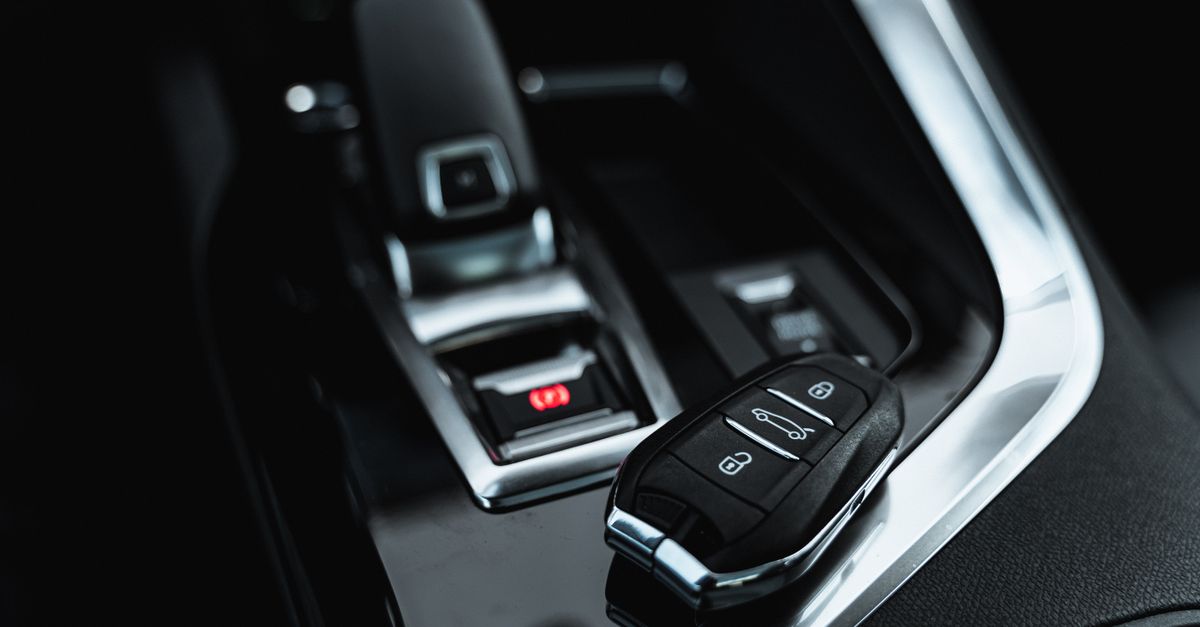
How Car Key Programming Works — and Why It Has to Be Done Right
Every transponder key contains a microchip that transmits a rolling or fixed code to an antenna ring around the ignition cylinder. The vehicle's immobilizer module validates that code in milliseconds. If it does not match — because the key is new, was replaced after a loss, or has never been programmed — the ECU cuts fuel delivery and the engine will not start, even if the mechanical cut of the blade is perfect. Our technicians use OBD-II diagnostic interfaces and brand-specific software to write the correct cryptographic token to both the key chip and the vehicle's secure memory, following the exact procedure required by that manufacturer. The process is non-invasive and damage-free wherever the vehicle's security architecture permits it.
Key fob programming is a related but separate process. The remote's frequency, rolling code, and button-mapping must all be registered to the BCM. Some vehicles allow a driver-initiated sequence, but most late-model cars — especially those with push-button start or proximity entry — require dealer-level software that only a properly equipped mobile locksmith or dealership can run. We carry that equipment on our service vehicles, so there is no reason to arrange a flatbed tow or wait days for a dealership slot. Call (973) 310-5482 any time and we will confirm an arrival window and a firm, up-front price before we begin.