What Is a Mortise Lock and Why Do Haledon Homes Use Them?
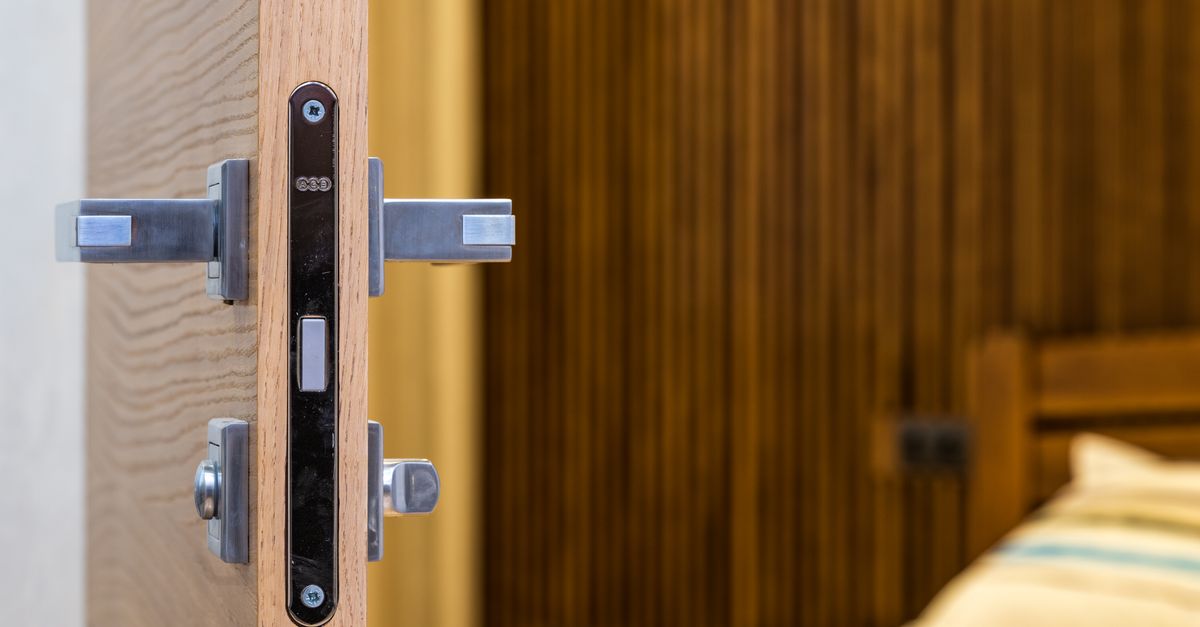
A mortise lock is a lock body that sits inside a rectangular cavity (the mortise) cut into the door itself, rather than simply being surface-mounted or bored through a round hole. The face plate, latch, and deadbolt all live inside a single metal case, which is why mortise lock sets tend to be more robust under forced-entry pressure than their cylindrical counterparts. That durability is exactly why you'll still find them on so many pre-1980s doors throughout Haledon — installed decades ago and, in many cases, never replaced. Classic brands like Corbin Russwin mortise locks and Baldwin mortise locks remain extremely common in this area; both are quality hardware lines, but age, weather cycling, and years of use without lubrication eventually take their toll on any mechanism.
There are three main grades of locks recognized in the industry — Grade 1 (commercial/high-security), Grade 2 (heavy residential and light commercial), and Grade 3 (standard residential) — and most original mortise hardware in older Haledon buildings falls into Grade 1 or Grade 2 territory. That's actually a point in your favor: it means the underlying door prep and structural reinforcement are already there, and a quality mortise lock repair or like-for-like replacement preserves that investment rather than forcing a full door modification. Whether you're dealing with a mortise lock set on an exterior door that's gone stiff in winter or an interior unit lock whose cam has snapped, our technicians know how these mechanisms are built and how to fix them correctly.